

If you are new to literature based learning, essentially it is using authors’ original narrative and expository works as the core for experiences to support children in developing literacy.
Literature-based instruction is much more than giving students quality literature; it is doing the authentic things with the literature that all writers and readers would naturally do, and giving students support with these activities as they need it. As Wells (1990) indicates, children and young adults develop literacy (reading, writing, thinking) by having real literacy experiences and getting support from more-experienced individuals, who may be adults or peers. Research clearly shows that literature-based instruction helps all students become better readers, writers, and thinkers (Tunnell & Jacobs, 1989). (Source)
I must first clarify that it is such a natural reaction to do something as a follow-up to a book that it was only much later that I realised what I was doing with my daughter (many years ago) had a proper term for it (You can view the complete list of literature-based learning stuff we have done at the end of this post).

One of the activities we did when we read The Very Hungry Caterpillar – egg carton caterpillars
You can use the literature based approach for any book, but I’ve chosen to go with the Before Five in a Row (BFIAR) curriculum (for 2-4 year olds). Using the curriculum, you will read the story of the week (there’s a list of stories which you don’t need to read in sequence) for five days in a row – which is where it got its name from – and do various activities based on what the guide suggests. There are plenty of ideas on Pinterest too if you don’t use the guide.
I think the idea of staying focused on the story for at least a few days to explore the story and its ideas is useful because children learn through repetition and in many cases, they would want the same story read many times over anyway. Reading the story and focusing on a different aspect each day (e.g. Art on Monday, Language on Tuesday, Field trip on Wednesday, Science on Thursday, History on Friday) also breaks things down into bite-sized portions for children and this leads to my first point in my list of why I recommend using the literature based approach for children.
1. Literature based learning encourages the exploration of ideas or subjects. For instance, Goodnight Moon drew the kids’ attention to how the moon looks like and we took time to view the moon every night and went through briefly (not too technical) why the moon looks different although in reality the shape never changes. You can download Phases of the Moon printables (free from The Crafty Classroom) for this exploration. This is just an example but you get the drift. (I get my 7-year-old to join in for activities that are still suitable for her age or I tweak the activity to make it more challenging)
2. It is cross disciplinary – there is exposure to different subjects (art, language arts, science, geography, history etc.) while remaining anchored by the text and children also grow in their understanding of the world (e.g. social norms) and themselves.
In If Jesus came to my house, the story is about a little boy who imagines what he’d do if Jesus came to his house – through the story, the child can learn about hospitality and appropriate behaviour when there are guests in the house. The boy in the story also mentioned he was afraid of shadows. So we discussed fears (learning to speak about fears), I shared my own fear of this particular shadow when I was young (demonstrating empathy), we played in the dark with torches while trying to form discernible shadows (good ol’ fun times!), and I tapped on his interest in his shadow by showing him how at different times of the day, his shadow would have a different length (science). We did a simple illustration of this by measuring the kids’ shadows at different times of the day (morning, noon and evening) and had them record their findings.
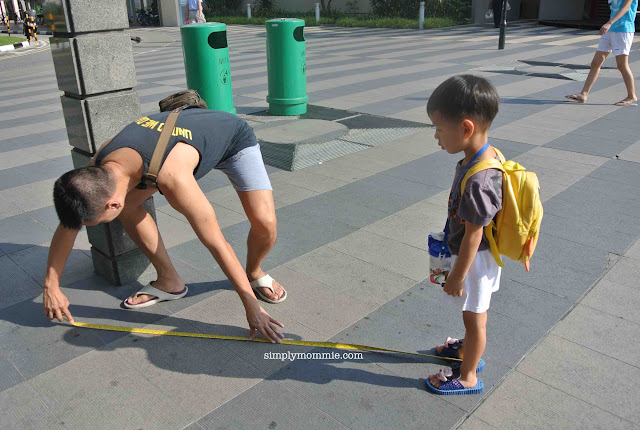 In the same text, it is written in rhyme (language) so the concept of rhyme is introduced /reinforced depending whether he’s grasped it (there are quite a few texts in the BFIAR curriculum with rhyming text). By the end of the curriculum (we just finished the curriculum recently!), he understood the concept of rhyme.
3. The kid remembers better what he has learned because there’s a storyline which he can recall. My little one still talks about the bluejay in Play with Me and the importance of looking after one’s own belongings (The Big Green Pocketbook), Angus got lost when he strayed (Angus Lost) etc. Some stories stick better than others but I guess personal interests play a part in that.
4. It is a multi sensory approach, and I’d say learning is done through fun ways. In fact, as mentioned earlier, ‘the types of activities done with the literature are the natural types of things children and adults would do when reading and responding to any good book’, and hence learning is a natural outcome.
Examples of what we have done for BFIAR with my boy:
- Discussion of Illustration in the books:
- different art styles (e.g. pencil and ink sketches vs. water colour painting; two-dimensional vs. three-dimensional drawings),
- develops ability to infer meaning and ideas conveyed through illustrations [- in The Big Green Pocketbook, there’s a picture of the girl sitting on the floor with her back to the reader after she lost her pocketbook (handbag). My boy managed to infer that the picture conveyed the girl’s sadness/grief at the loss],
- the child becomes more sensitive to details and can point them out (e.g. in The Carrot Seed, the illustrator used pale orange and brown for every picture in the story except the prize carrot at the end of the book to highlight it; in Goodnight Moon, there’s a picture of the Runaway Bunny (which the child would be able to point out after reading both books), three bears (from Goldilocks and the Three Bears), a cow jumping over the moon (from the rhyme).
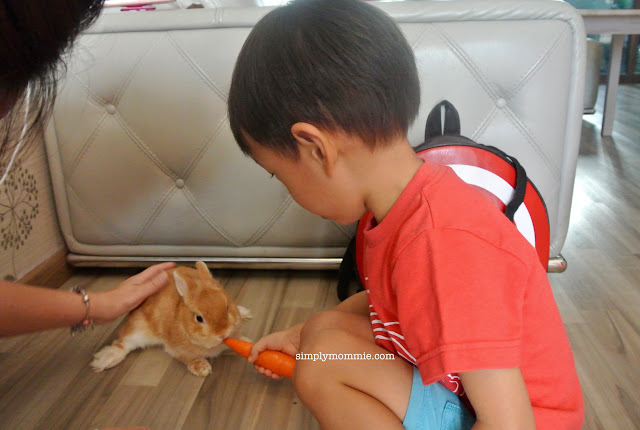
- I brought him to a friend’s place for him to interact with her rabbits and her dog. He got to feed and mingle with the pets when we rowed the book The Little Rabbit. We also checked out the pet store (but no photography is allowed there) to explore what other types of animals people keep as pets.
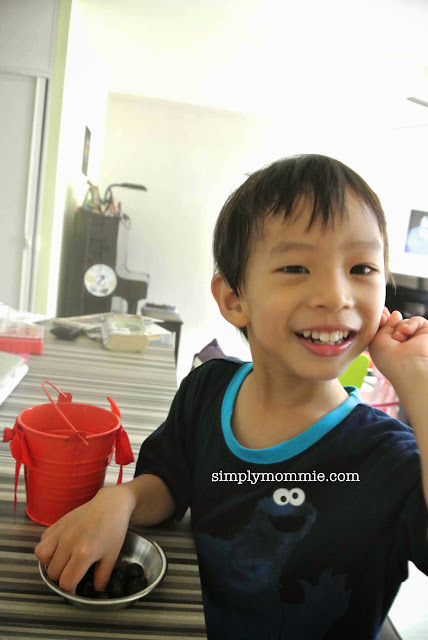
- Counting blueberries (and eating them) when we rowed Blueberries for Sal.
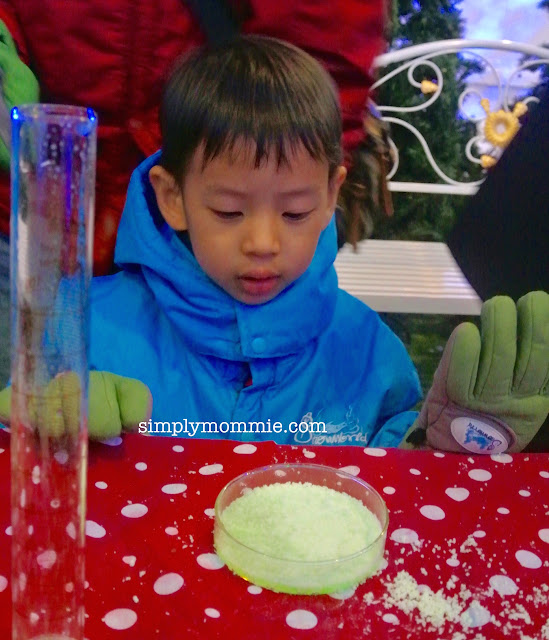
- When we were at Genting’s Snow World (during the June holidays) where we experienced the cold and made fake snow, he managed to link his experience to The Snowy Day – ability to draw links is important. The fake snow though, obviously doesn’t melt. 🙂
- From the reading of The Big Green Pocketbook, he made associations with his own day, showed empathy when the little girl lost her bag and showed understanding of the meaning of gratitude
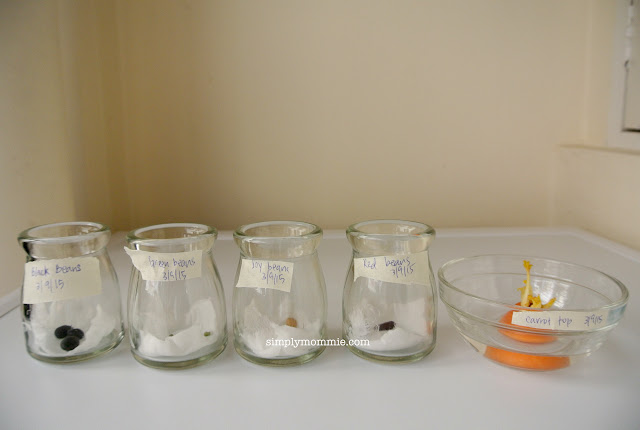
- We planted some beans (we didn’t have seeds) and a carrot top when we rowed The Carrot Seed and took photos daily of the growth for a week.
- We also watched YouTube videos to extend the learning experience. For instance, when we rowed The Little Rabbit, we watched various short videos of baby animals and talked about how they looked, how long it takes for them to be fully grown etc. The things we can do with the power of the Internet!
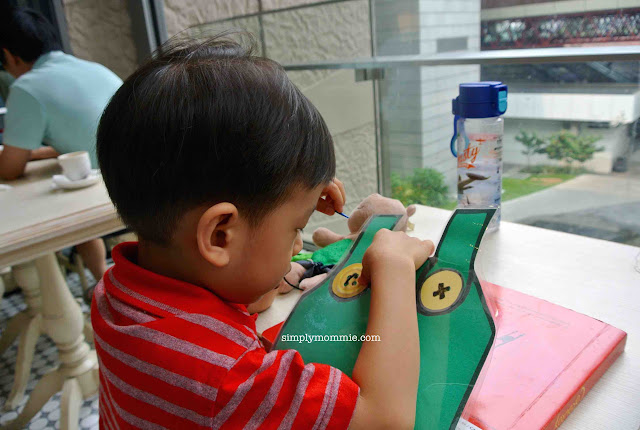
- He learned some hands-on skill of sewing a button on when we rowed Corduroy. I made the learning aid when I rowed Corduroy with my daughter years ago (check the full list of literature based learning posts on the blog at the end of this post).
5. With such pleasant memories following reading, children naturally will form positive associations with the act of reading, and in the long run, hopefully they will develop the good habit of reading and learn to be close readers of text (which translates to better comprehension skills).
I hope that what I’ve shared above will at least pique your interest in checking out this approach to teaching children. 🙂
With every approach, there are bound to be some drawbacks.
Cons
- I find that some prep work is needed but it’s still manageable if you plan ahead. To work around this, work with whatever resources (including time) you have – focus on some main things you want and zoom in on those.
Other points to note
- Technically it can be done with any book but I like to rely on the list in BFIAR and Five in a Row (FIAR) and also renowned titles and authors as it makes things easier for me. I borrowed the guides from my homeschool friends, and even if you don’t have it (and don’t want to buy it from Amazon), Google will come up with something for you. I know, because I did BFIAR loosely with my girl without the guide, though we didn’t do every currently available book in the list (a few are out of print).
- Most books in the BFIAR curriculum are available in our libraries – we are so blessed!
- It can be as elaborate as you want it to be; and as simple as you can manage.
I haven’t blogged about all I’ve done for the books (BFIAR or not), and I don’t intend to kill myself doing it, but here are some instances of what I’ve done (with my daughter in the past). You’ll be encouraged to know that it ain’t that difficult after all after checking out what I’ve done. The hardest part is the inertia to start!
The literature based learning posts on the blog:
 Mister Seahorse (Eric Carle)
 Goodnight Moon (Margaret Wise Brown)
 The Wind Blew (Pat Hutchins)
 Corduroy (Don Freeman)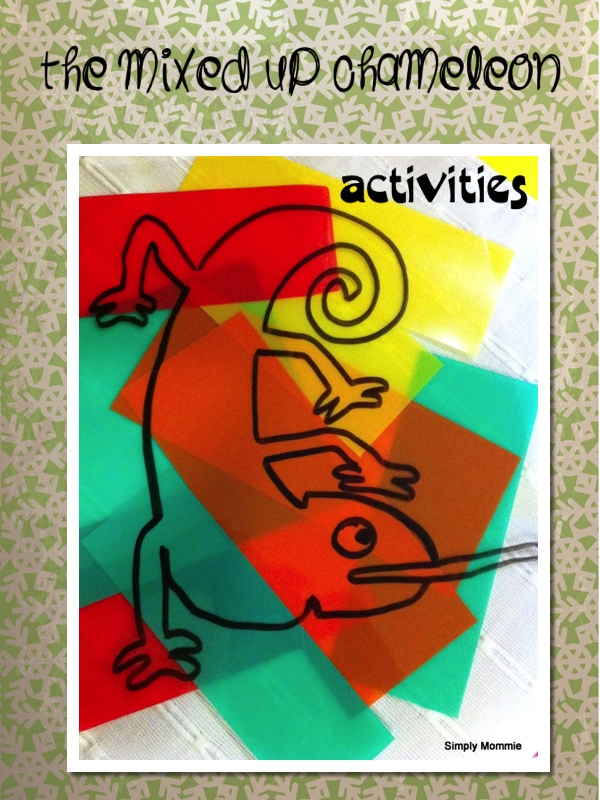

 The Perfect Square (Michael Hall)
 The very hungry caterpillar (Eric Carle)

 Today I am… (Mies van Hout)
Sensory Play ideas on the blog:
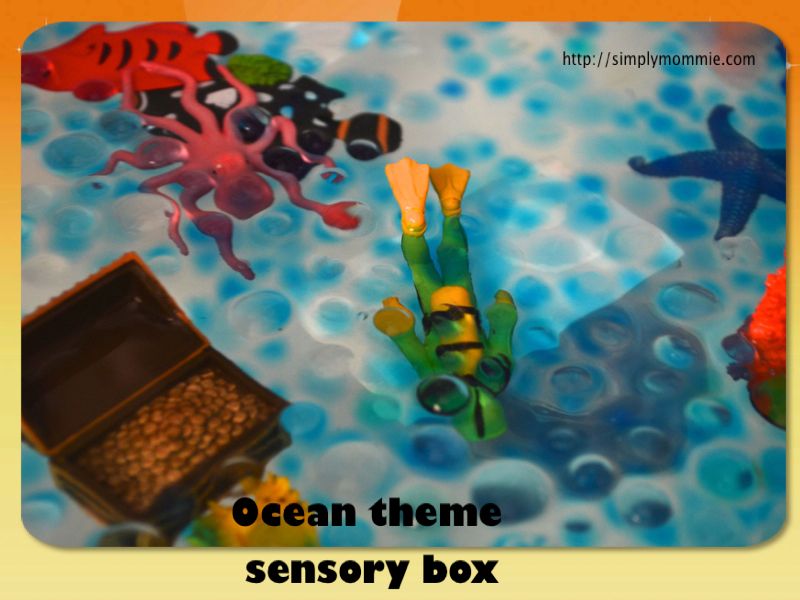
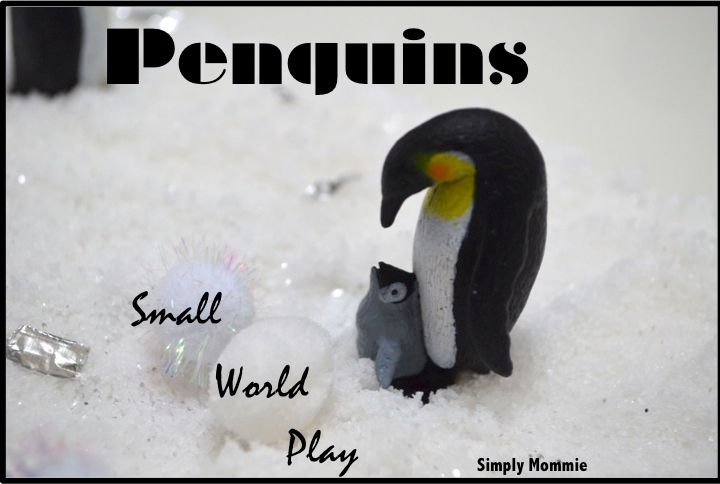

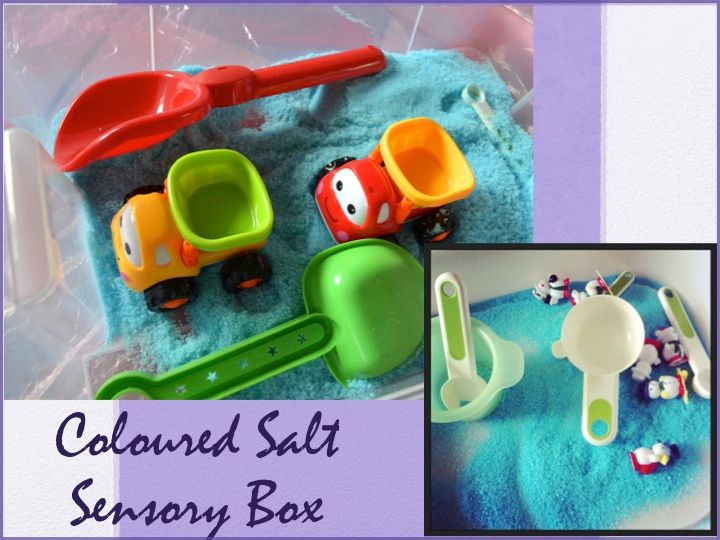




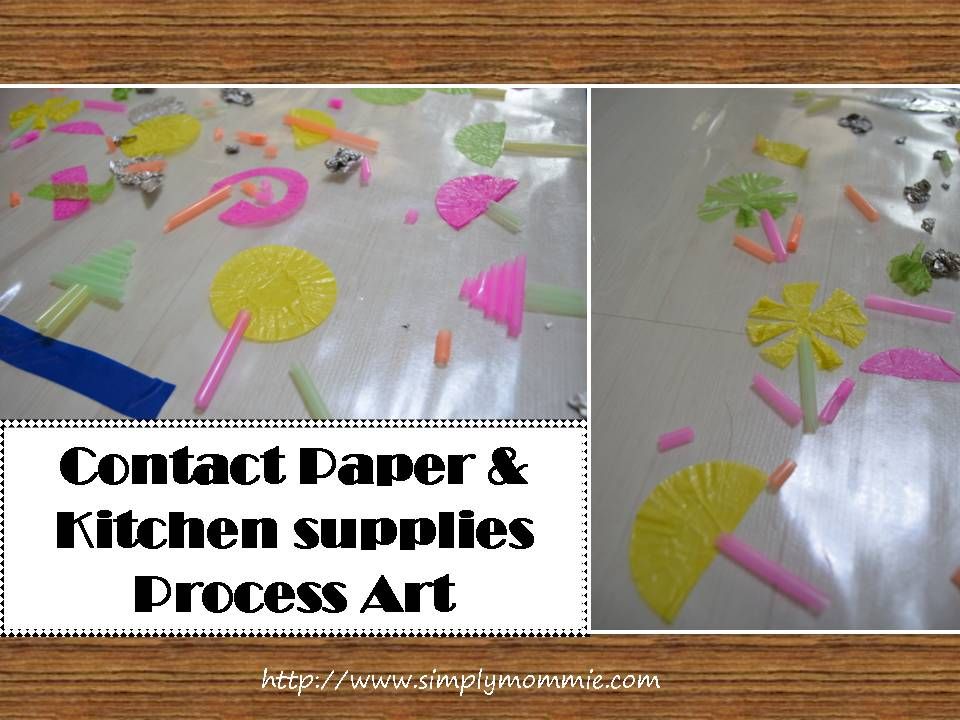 Contact Paper process art


~~~~~~~~~~~~
Lovely and constructive comments are welcomed. Do hop over to my Facebook page where I connect with my readers and I would love to have you following me on Pinterest, Twitter and Instagram too 🙂







 Facebook
 Twitter
 Pinterest
 Instagram