

As the parent of two girls, ages 9 and 11, I’m always facing new challenges when it comes to getting them to eat healthy. My older daughter has been known to say, with a groan, “Oh no, what health kick are we on now?” as they see me trying to sneak kale into their afternoon smoothie. I try to explain to them why it’s important to eat well, and for the most part they get it, but that doesn’t mean they don’t whine for candy every night after dinner!
It seems like everywhere you turn these days, there’s a book or an article on how to “sneak” veggies in to your kid’s diet. I agree that it’s a great way to make sure that they’re getting adequate nutrition, but is it really what’s best in helping them to make wise decisions? Is squash pureed into their spaghetti sauce going to teach them anything about learning to like (or at least tolerate) squash? I don’t think so.
I must admit that I haven’t always been crazy about vegetables myself (alright, I’m still not), but I’m a grown up and know that I need to make wise decisions for my health. I’m trying to help my girls learn those lessons at an earlier age. Here are some tips that I have found helpful:
*Only make one meal (you’ve heard this one before)
So I don’t hear about how they’re going to starve to death, I make sure that they like at least one thing on their plate. But not enough to fill up on—this is important, or they won’t have room for all that other stuff! Then, they must try at least one bite of everything else. They control how much they eat—no threats about finishing what’s on your plate. But also, no dessert unless they have.
*Give them choices
I don’t give them any choices at dinner for the sake of my own sanity, but if possible, let them choose which fruit or vegetable they have at lunch. Same at snack time. Slice up some fruit of their choice, pair it with a handful of nuts that they’ve chosen, and maybe some sliced carrots or cucumbers. You say your child won’t choose any of these? Let them know that’s all there is until the next meal. The change won’t be immediate, but you might be surprised what they’ll begin to try.
*Limit how much they eat throughout the day
This idea came from my eleven-year-old. If you allow your child to snack all day, then they won’t be hungry at mealtime. Have fairly set meal and snack times, and be sure they stop eating at least an hour or an hour-and-a-half before dinner.
*Involve your child in the prep work
He might be more likely to eat something he’s helped to prepare.
*Grow your own
Start in the early Spring, and have your child help you pick out seeds or starts. Involve them in the process of caring for the garden, or even give them a small plot of their own to tend. If you don’t have a yard, perhaps you can put out some pots. Lettuce is one of the easiest plants to grow in a pot.
*Allow them sweets in moderation
After all, what’s life without dessert? My girls do get dessert several times a week, just not every night. And I try and have a dessert with some nutritional value, like fresh fruit over angel food cake. Even ice cream has calcium! Dessert, however, is never an option if they haven’t eaten all of their dinner.
*Be patient!
These changes won’t happen overnight, especially if your child really dislikes what’s best for them, but rest assured—it will happen. The trick is to stay consistent, and if they truly get the message that this is how it is, they’ll come around. They may never love squash, but they’ll learn to like enough to help them make the choices they need to stay healthy.
Here are some great snack ideas:
- Whole grain chips and salsa (Salsa counts as a veggie!)
- Homemade trail mix (whole grain goldfish crackers, unsalted almonds, and just a few M&M’s)
- String cheese with fruit
- Fresh veggies w/ a small amount of Ranch. Don’t even say anything when you set it out. Just put it at the kitchen table or counter while you’re fixing dinner. When you don’t suggest it first, you’d be surprised how much they’ll eat!
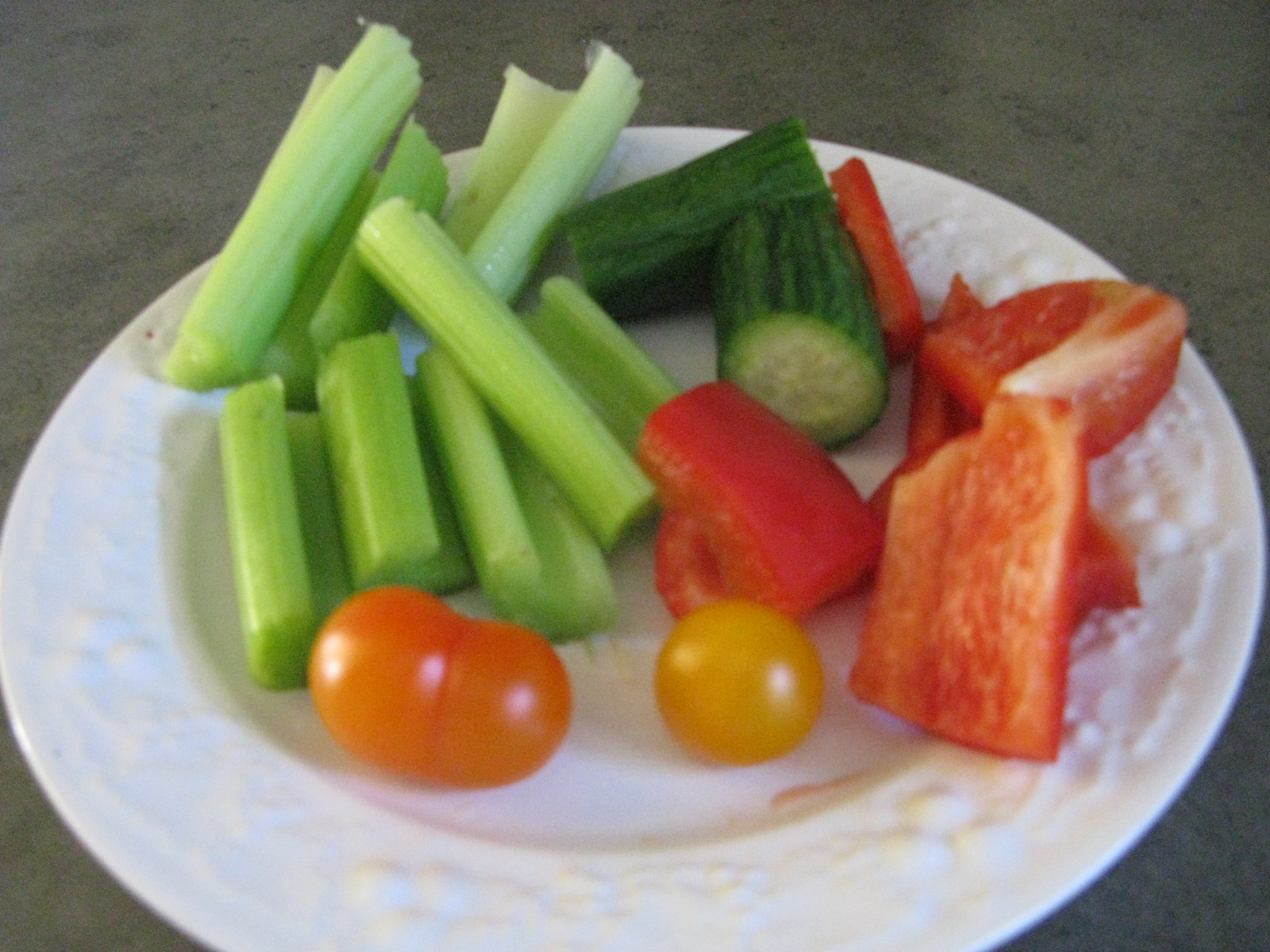
An example of a plate of fresh veggies set out for the girls

Munching away!
And the girls at dinner time:
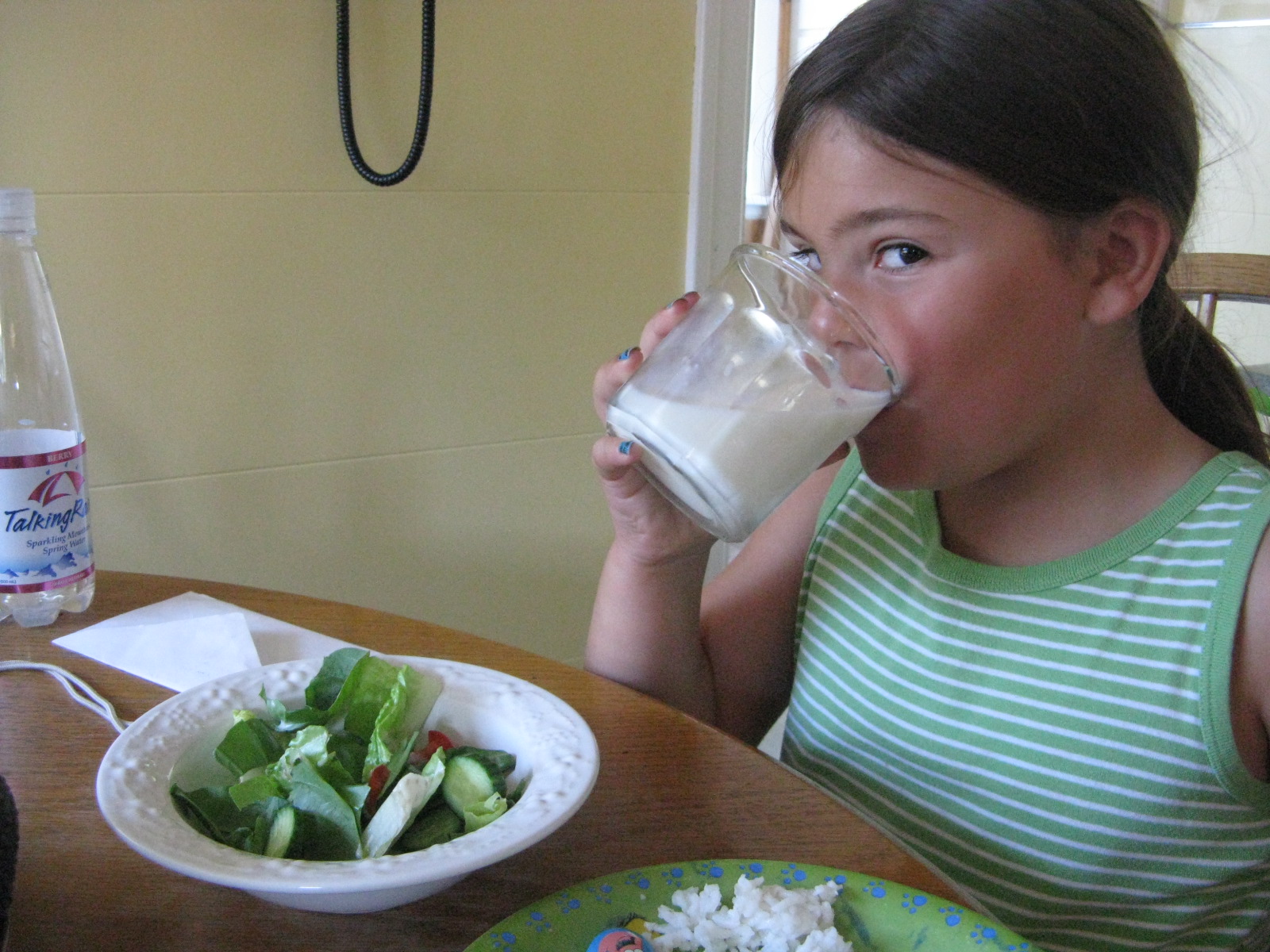
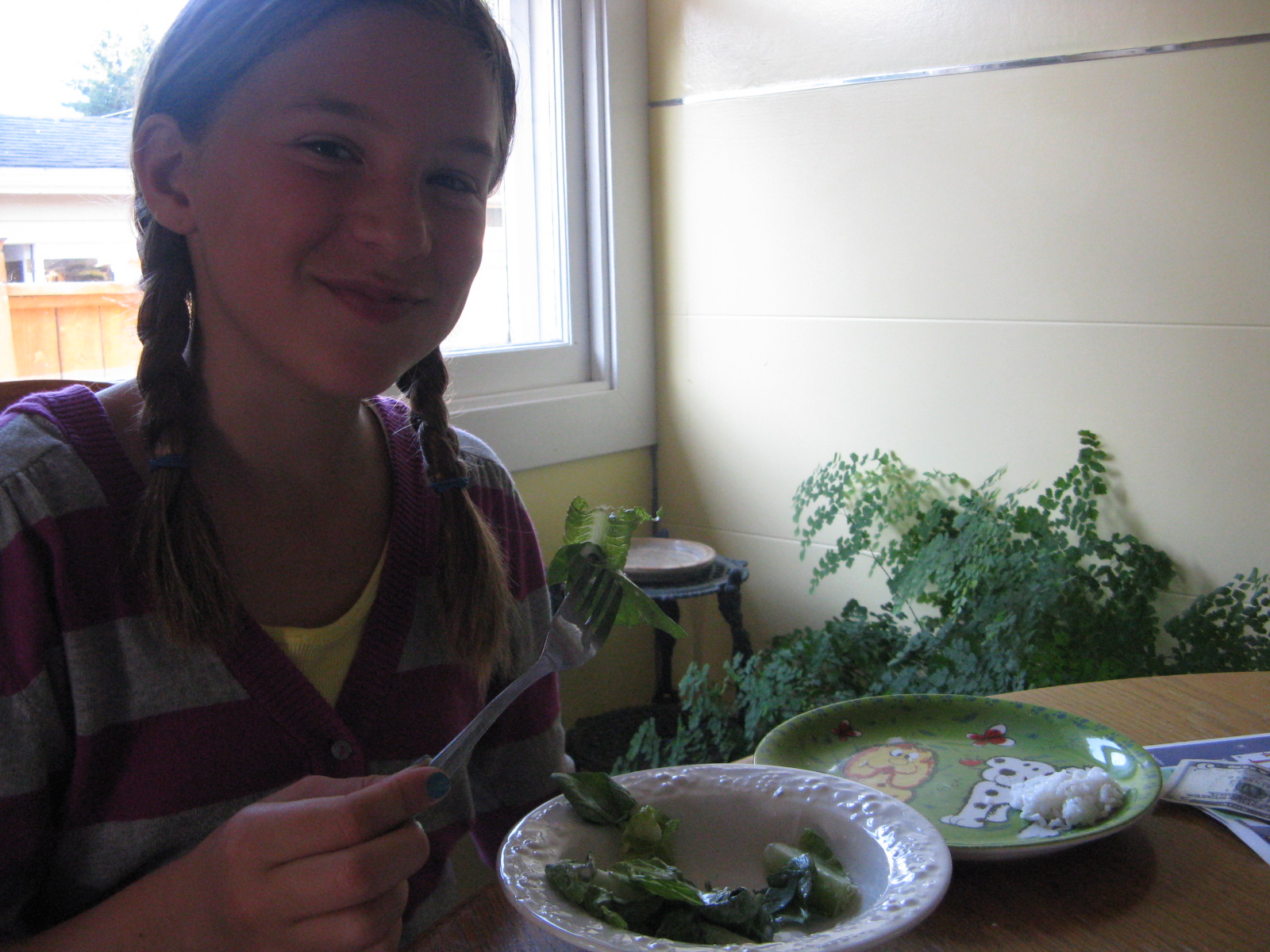
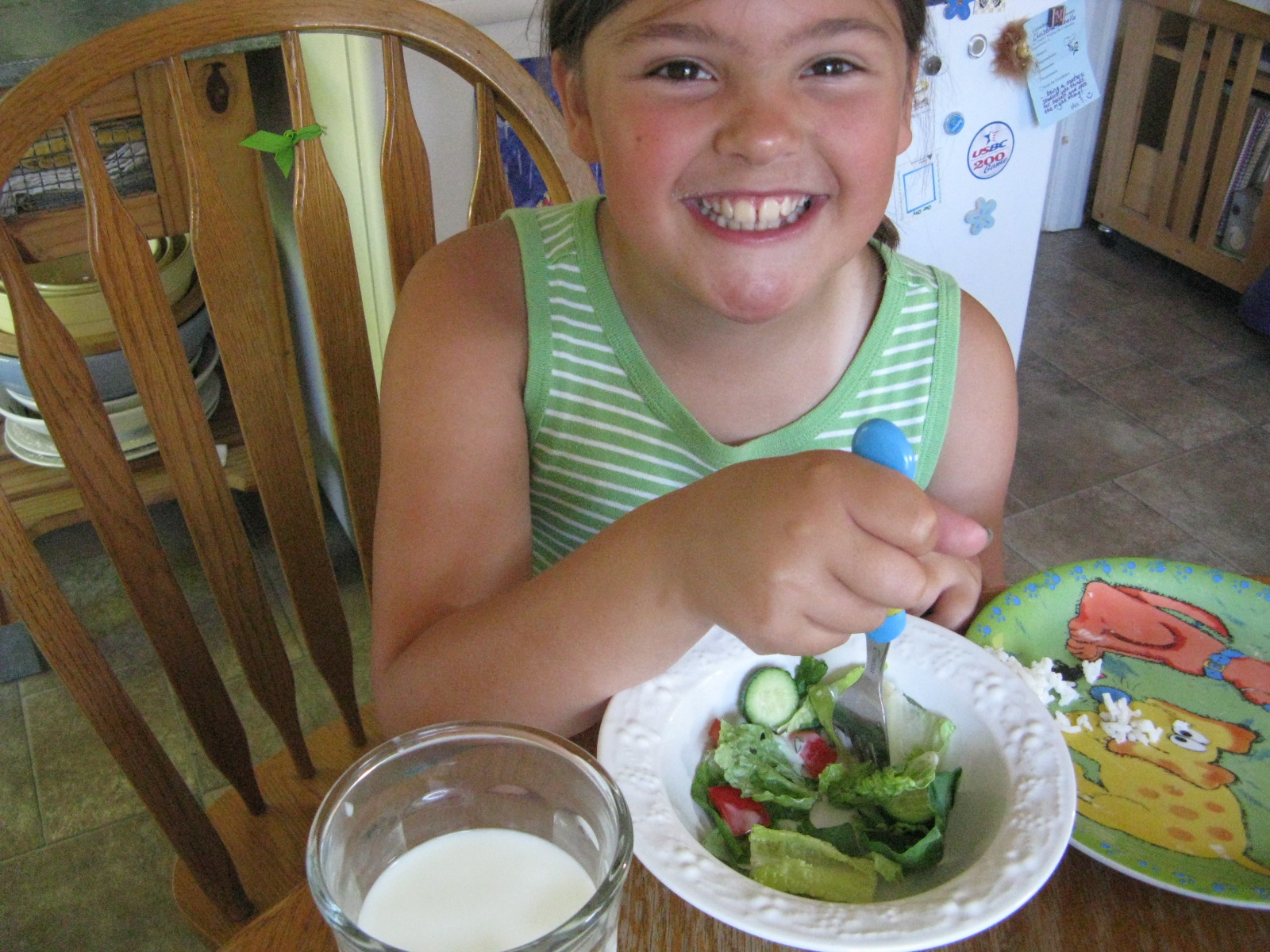
Author bio: Wendy Fanello is the mother of two girls, ages 9 and 11. When she’s not busy taking kids to soccer, swimming, or any of the other many activities, Wendy writes for an ultrasound website. Read more fun articles at http://www.ultrasoundschoolsinfo.com/pregnancy-police/.







 Facebook
 Twitter
 Pinterest
 Instagram