


Today we have Winnie, an educator who is passionate about home-teaching her children, to share with us how a full-time-working mom finds time and energy to plan and execute her lessons at home!
Winnie is a full-time working mom to a girl and boy, aged 34 months and 10 months respectively. She home-teaches and is a firm believer of play and the great outdoors. She shares her parenting and home teaching adventures at Toddly Mummy.
~~~~~~~~~~~~~~~~~~~~~~~~~~~~~
Being a full time mum is not easy. Lack of sleep is an understatement, with my days beginning as early as 530am and ending as late as 12 midnight (sometimes even past that). Yet, it is amazing how I keep going, always finding the energy even when sleep is the one thing I wish for. The source of my energy is none other than my two beautiful children. A smile from either of them is enough to melt my heart.
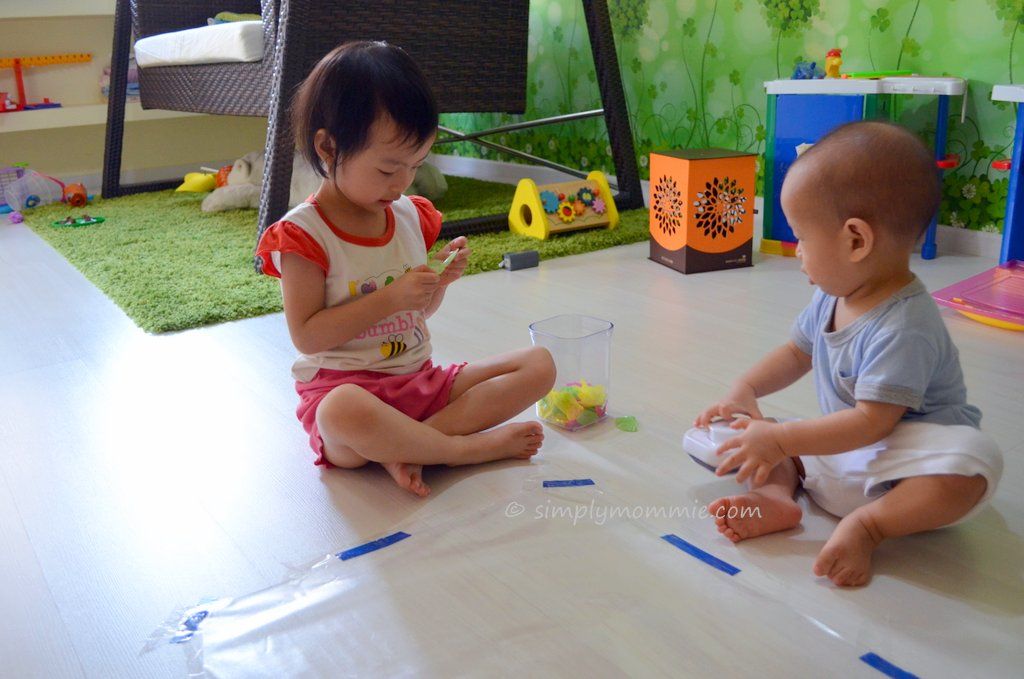
With two young kids aged 34 months and 10 months, the situation at home can be hectic. And each of them is demanding in his or her way. For the past year, my older girl has been going to a playgroup near our home, and next year, she will be attending pre-nursery. At home, I believe in supporting her through home learning. So I teach her her ABCs and 123s, do fun crafts, simple maths and science activities like cutting a cake or frying an egg, or just bring her outdoors to explain all about the world around us. I believe that through this, I can help reinforce what she has learnt in school. After all, she is only in school for three hours.
The home learning sessions I have with my girl have become special bonding time for the both of us. Now every time she wants to colour, or do crafts, she will look for me. It is something that the two of us share, and I treasure it very much. As a FTWM, how do I find time to home learn with my girl? It is challenging, I’m not afraid to admit. Here are my tips.
1. Research for ideas and ready resources online
There are many home schooling mums all around the world who share their ideas on their websites and blogs, and many of them provide printables that can be downloaded for free. Using these ready resources means there is no need to produce your own. Or if you like, you can adapt the ideas to suit your requirements.
2. Plan in advance what you want to do for the week or month
Be general. There is no need to prepare a precise lesson plan. Follow a topic or theme, for example letter of the week or Christmas. There can be different themes and topics for literacy, maths and science. Then look for the relevant resources, or produce your own.
3. Ideas can come from anywhere around us
Keep your eyes open for any ideas around us. Things that might seem normal or usual to us can actually be learning experiences for young minds, such as mixing oil into water to explain density or highlighting the six legs of an ant which is happily minding its own business and crawling on the floor. Cooking and doing household chores are great for learning too.
4. Go with the flow
You may have the best theme, or prepared the most fun activity to do with your child. Very often, the child may decide not to do that particular activity. Or simply not do anything at all. Let him or her take the lead, and leave what you have prepared for another day. You may have to put on your thinking cap to think of ways to engage this young mind, on the spot. This is when your surroundings can be a great source of inspiration.
5. Get the kids to help
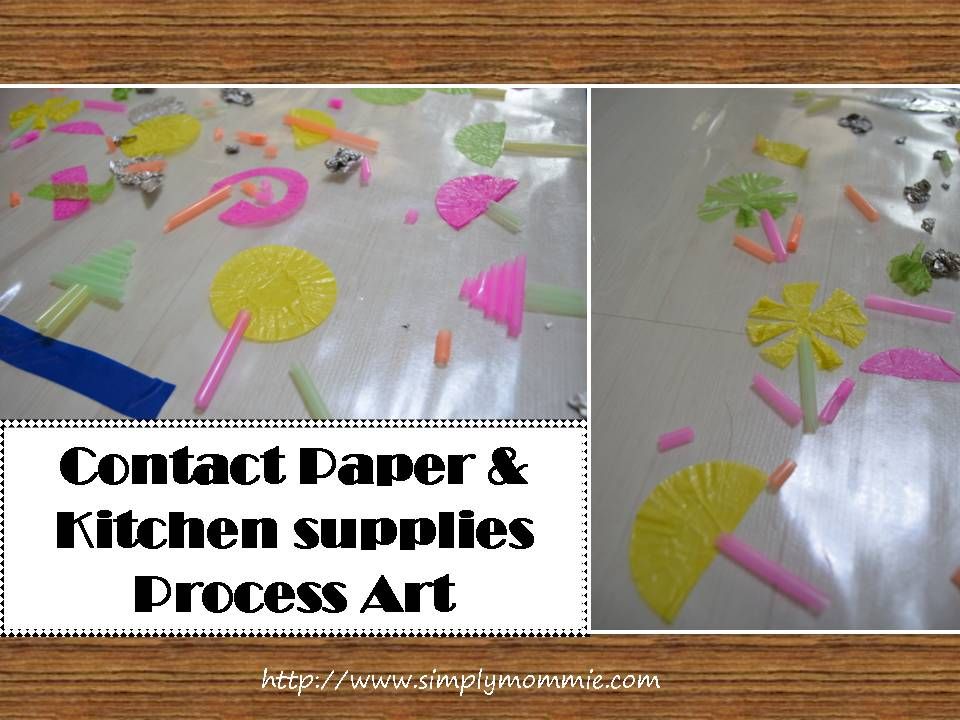
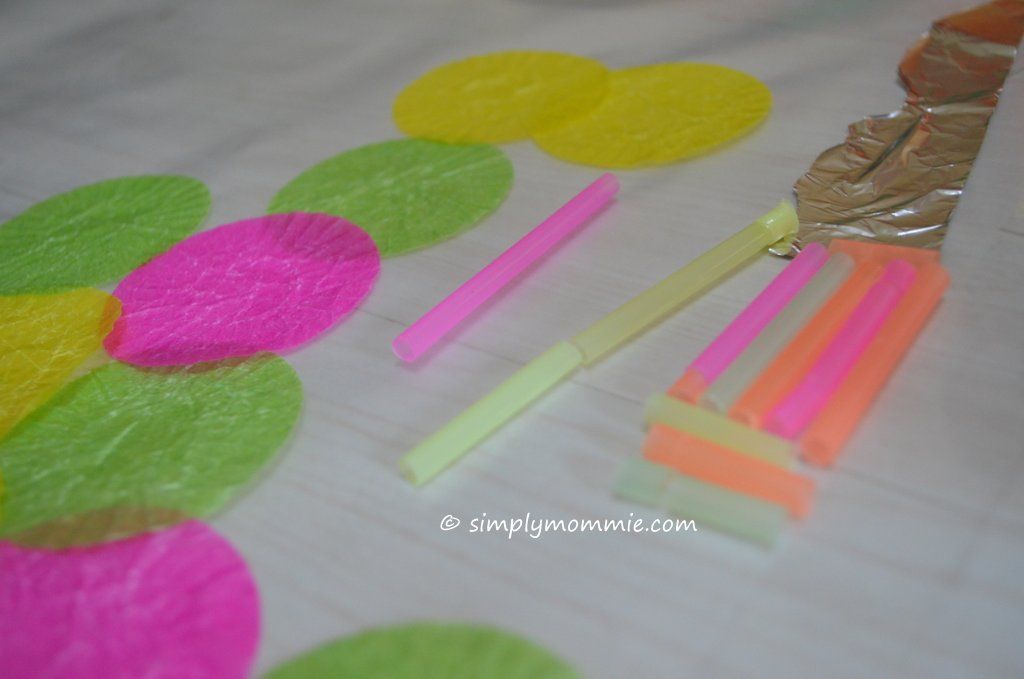
When producing your own resources, get the kids to help. It can be a learning experience too. When I was making my own coloured paper plates and ice cream sticks for a colour sorting and counting activity, I got my girl to colour the sticks. It was an opportunity to review her knowledge of colours too.
6. Learn together, have fun together
During my sessions with my girl, I’m learning from her as much as she is learning from me. I’m learning about what interests her, what she likes and how she perceives the world. She loves it best when I’m sitting next to her, colouring or cutting with her. Most of all, it is a special time for us to have fun and be silly together, just mother and daughter.
7. Just 30 minutes to an hour a day will do
It doesn’t have to take very long. On days when the child is simply not in the mood, or prefers to play according to his or her rules, the sessions will be even shorter.
8. Never feel guilty for missing a day, or even a week
Don’t treat home learning sessions like clockwork. Precisely because it is learning in the home, you are not restricted. If you don’t feel like a session today, take a break. Have some reading time with the young one, or just enjoy some me-time.
Yes, me-time, precious moments to rejuvenate and refresh. Who knows, you may find more fun ideas to do with your child. I hope that the 8 tips above are useful, and to mums who want to home learn with their child, go do it!
~~~~~~~~~~~~~~~~~~~~~~~~~~~~
Do you have tips you’d like to share? If you have, link up here for this series of Tips for Moms – by Moms, and stay tuned for more tips from other Singapore Mom Bloggers!
Tomorrow, we have Jennifer who will share her tips on how she copes as a full-time-working mom.
Check out Amie’s 5 little tips to sanity for full-time-working-moms shared last Friday.








 Facebook
 Twitter
 Pinterest
 Instagram